Hookah Market Seasonality: How to Plan Your Stock Year
October 3, 2026
How to Read a Hookah Quotation: Line by Line
October 3, 2026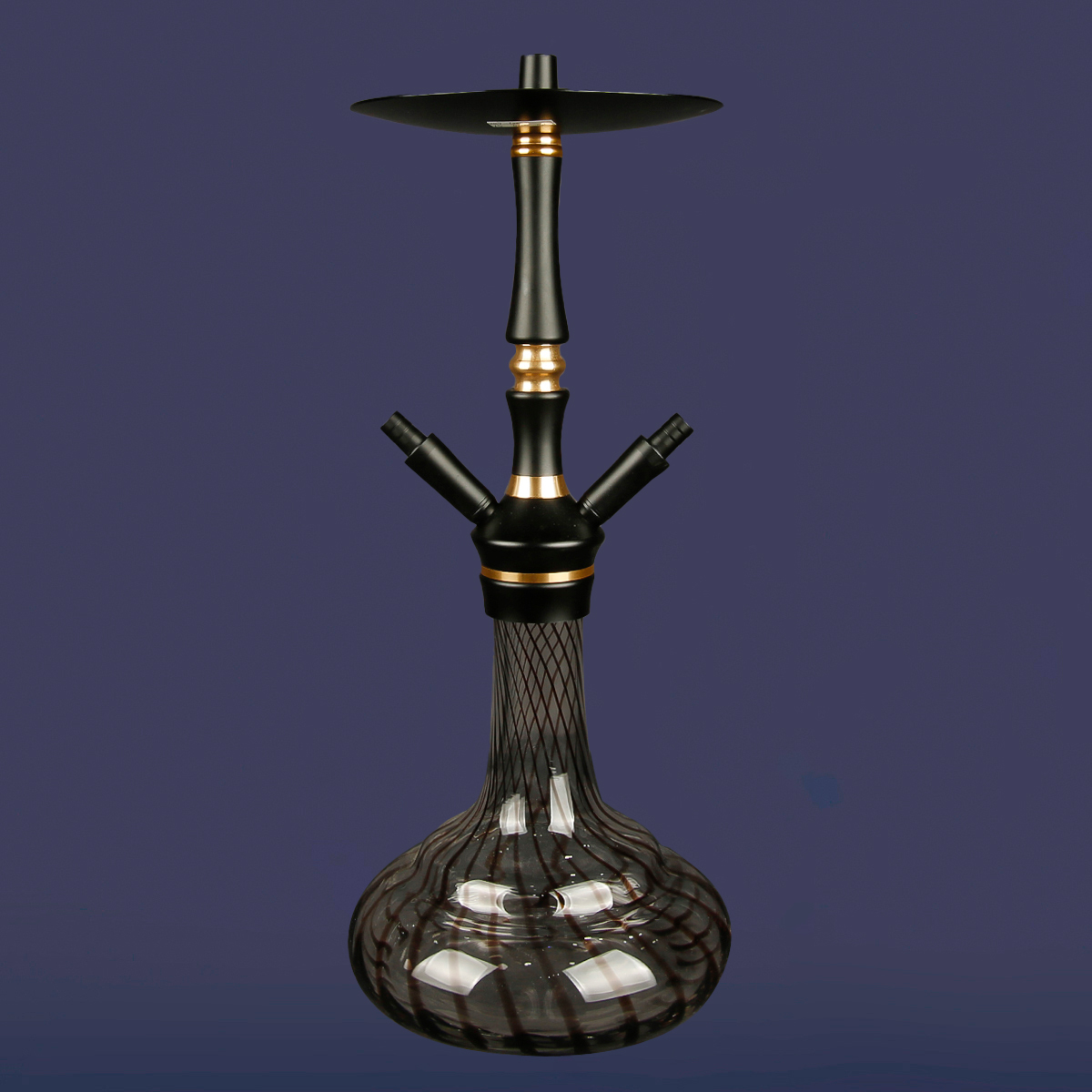
Walk into a room in Berlin, Rotterdam, or Manchester that would have been called a shisha café a decade ago and you will find something different: dimmed lighting, a curated soundtrack, table service, and a menu that looks more like a cocktail bar than a tobacco counter. Hookah lounge trends in Europe are moving the segment away from the old tea-and-pipe shop toward a designed hospitality concept — and that shift rewrites the purchasing list for everyone who supplies it. This guide covers what is actually changing on the floor, what it demands from equipment, and where the wholesale demand is heading next.
What’s Driving Hookah Lounge Trends in Europe
Three forces sit behind almost every change you see in a modern European venue. None of them are new, but together they have reshaped how lounges buy.
- A more demanding guest. The customer walking in today has been to cocktail bars, specialty coffee shops, and boutique hotels. They judge a lounge on ambience and service, not just on whether the pipe smokes well.
- Tighter regulation on indoor smoking. Across much of Europe, tobacco use indoors is restricted, licensed, or zoned. Operators have adapted by leaning into food, drinks, and — increasingly — tobacco-free options.
- Higher operating costs. Rent, labor, and energy have all moved up. That puts pressure on every asset to work harder, last longer, and cost less to maintain.
Put together, these forces push lounges toward a business that competes on experience and repeat visits. For suppliers, that means the conversation is no longer only about pipe price per unit. It is about durability, hygiene, presentation, and consistency across a whole room.
From Café Counter to Concept Venue: The European Shisha Lounge Evolved
The traditional model was functional and spare: a few tables, a tea menu, pipes shared among friends, and staff who mostly just changed coals. It still exists, especially in neighborhoods with a strong diaspora customer base, but it is no longer setting the direction of the market.
The modern European shisha lounge borrows heavily from hospitality design elsewhere:
- Ambience as the product. Lighting is layered, not fluorescent. Music is programmed rather than background noise. Seating is arranged for groups and for privacy, often in booths or semi-enclosed areas.
- Service as a differentiator. Staff manage the session — timing coal changes, checking the pipe, recommending flavor pairings — instead of leaving guests to fend for themselves.
- Menu depth. Mocktails, specialty teas, desserts, and light plates extend the average visit and raise spend per guest. Food service brings its own equipment and hygiene expectations.
- Brand identity. Venues treat themselves as brands with a look, a logo, and a following on social media, which spills over into the hardware they choose.
The commercial consequence is simple. A concept venue buys equipment the way a restaurant buys kitchen gear — for reliability and presentation across many covers a night — not the way a café buys a few pipes.
What the Experience Upgrade Demands From Equipment
When a lounge shifts from a dozen relaxed tables to a room running dozens of sessions a night, the equipment requirements change in four concrete ways. These are the lounge equipment trends that most directly shape your procurement list.
Durability under heavy, repeated use
A concept venue runs pipes constantly. A single unit may pass through many hands and several cleaning cycles in one evening. That exposes weak points fast: threads that strip, stems that bend, bases that chip, gaskets that harden. Buyers in this segment prioritize units that survive repeated assembly and disassembly, so construction quality matters more than a low unit price.
Hygiene and cleaning convenience
Hygiene is now a guest-facing concern and a service-cost concern. Two things follow from it. First, disposable or single-use elements — mouthpieces above all, and washable hose systems that keep the smoke path separate — are becoming standard. Second, equipment that is easy to strip down and sanitize saves labor on every shift. A pipe that takes minutes longer to clean, multiplied across a whole room, becomes a real cost line.
Consistency and look-and-feel
A concept venue wants a matched room. Same-series pipes, same finish, same glass profile, same hose hardware, so the floor reads as one design rather than a collection of odds and ends. That favors suppliers who can deliver coherent ranges and repeat them on reorder — not one-off novelty pieces.
Multi-hose and sharing design
Sharing is baked into the social ritual, and the modern lounge supports it deliberately. Multi-hose configurations, larger bowls, and setups designed for groups let a table of four share one session comfortably. Done badly, more hoses mean a weaker draw and more cleaning; done well, they lift spend per table and simplify service. This is an area where buyers look for engineered designs, not just extra hose ports bolted on.
For a supplier, the takeaway is that this segment rewards a range built for professional use — and the breadth of a wholesale hookah catalog matters more here than in retail, because a lounge wants a coherent set, not a single hero product.
Tobacco-Free Alternatives and What They Change in Procurement
One of the clearest movements in the European market is the rise of tobacco-free options: herbal shisha, steam stones, and other non-tobacco preparations. There is no single figure that captures the shift, and the pace varies market by market, but the direction is unmistakable in venues that face indoor-smoking rules, licensing conditions, or guests who simply want to avoid tobacco.
Several things drive it:
- Regulatory pressure. Where tobacco use is restricted or taxed heavily, a tobacco-free menu gives a venue a compliant way to keep the session on the table.
- Guest mix. A wider customer base — including people who would not smoke tobacco, and younger guests who expect an alternative — makes a tobacco-free line worth listing.
- Venue positioning. A lounge that can serve a tobacco-free session broadens its appeal and its booking options for events.
What this changes on the procurement side is subtler than it first looks. Tobacco-free preparation often behaves differently: different heat tolerance, different packing, sometimes different residue and cleaning needs. So the equipment a lounge buys to serve it well may differ from its tobacco setup — bowls that suit the material, heat management that runs cooler, and hardware that cleans easily between preparations. For wholesalers, this is a product-line question, not just a consumables question: it argues for ranges that support both a tobacco and a tobacco-free menu rather than assuming one fits all.
Design and Aesthetics: Matte Black, Minimalism, and Custom Identity
Walk through the design language of the new hookah bar in Europe and a few motifs repeat. Matte black finishes, brushed metals, muted and earthy colorways, clean geometric glass, and uncluttered silhouettes. The intention is to make the pipe feel like part of a contemporary interior — closer to a piece of barware than a decorative artifact.
This is deliberately different from the ornate, traditional Middle Eastern style built on brass, engraved metalwork, and vivid color. That traditional aesthetic still has a strong and loyal market, particularly in venues rooted in that heritage and among customers who want the classic experience. The point is not that one style replaces the other — it is that they now serve different rooms, and a supplier must be able to serve both without confusing them.
The design trend also drives customization. A branded venue wants its logo or signature finish reflected in the hardware, and colors that match its interior palette. That pushes demand toward suppliers offering finish options, custom logo work, and small enough production runs to make a distinctive house style viable. This is where the difference between a catalogue reseller and a manufacturer becomes visible in the product itself.
Operational Shifts: Consumables, Spares, and Staff Support
Behind the front-of-house polish, the way lounges buy has changed. Three operational patterns are worth watching.
Consolidated consumable purchasing
Operators are moving away from picking up pieces from several local sellers. They want one reliable source for mouthpieces, hoses, gaskets, bowls, and cleaning consumables — ordered in predictable cycles, at a consistent quality. For a multi-site operator, central purchasing turns this into a contractual relationship rather than a series of ad-hoc top-ups.
Maintenance and spare-part supply
Concept venues treat pipes as working assets, so they need the parts to keep them working: replacement glass, gaskets, hose fittings, valves, and stems. A supplier who can reliably ship spares is worth more to this segment than one who wins on the initial unit price and then cannot support the fleet. Uptime is revenue for a lounge; a pipe out of service is a lost seat.
Staff training and support
Because service quality is a differentiator, venues value suppliers who help their floor staff get consistent results — how to pack a bowl, manage heat, clean properly, and troubleshoot a weak draw. Whether that comes as documentation, short training sessions, or responsive after-sales support, it feeds directly into how well the equipment performs and how likely the venue is to reorder. A supplier who supports the operation tends to become the default source.
Five Takeaways for Wholesalers: What’s Rising and What’s Fading
Pulling the trends together, here is how the demand profile in the European lounge segment is shifting.
| Signal | What’s rising | What’s fading |
|---|---|---|
| Build and finish | Durable, professional-grade construction; matte and minimal finishes; matched same-series ranges | Decorative novelty pieces bought on price alone; mismatched one-off stock |
| Hygiene features | Disposable mouthpieces, washable hose systems, easy-strip-down designs, replaceable parts | Sealed, hard-to-clean assemblies that slow service |
| Session design | Multi-hose and group configurations engineered for a good draw | Single-hose-only assumptions; improvised multi-hose add-ons |
| Menu flexibility | Bowls and heat setups that work for both tobacco and tobacco-free preparations | Ranges built around a single preparation type |
| Supply relationship | Consolidated consumables, spares availability, customization, and staff support | Transactional, price-only ordering with no after-sales support |
Read the table as a direction of travel, not a fixed rule — market conditions, regulation, and customer mix vary a great deal across Europe. But the overall movement is clear: this segment is buying like a hospitality operator, and it rewards suppliers who can support that.
FAQ
Are hookah lounges growing in Europe?
The segment is evolving rather than simply expanding. Traditional shisha cafés face tighter indoor-smoking rules and rising costs, while concept-style lounges that emphasize ambience, food and drinks, and tobacco-free options are the ones pushing the category forward. Growth is uneven across countries depending on local regulation.
What equipment do European lounges buy most?
Durable, easy-to-clean pipes built for repeated use; disposable or replaceable hygiene parts; matched same-series ranges for a consistent room; multi-hose group setups; and a steady supply of consumables and spare parts. Tobacco-free-suitable bowls and heat setups are increasingly part of the standard order.
Is the tobacco-free trend replacing traditional shisha in Europe?
Not replacing it — running alongside it. Tobacco-free preparations broaden a venue’s appeal and help it work within regulatory limits, but traditional shisha remains central in many markets. The practical outcome is that lounges want ranges that support both.
Why does design matter to a wholesale buyer?
Because a modern lounge sells an experience, and the hardware is part of that experience. Matte finishes, minimal shapes, and coherent ranges help a venue present as a brand, which is why customization and consistent reordering have become purchasing priorities rather than cosmetic extras.
What Europe’s Hookah Lounge Trends Mean for Wholesale Buyers
Hookah lounge trends in Europe point in one direction: venues are running like hospitality businesses, and they buy accordingly. That favors professional-grade, hygienic, design-coherent equipment, a menu that can shift between tobacco and tobacco-free, and a supply relationship that covers consumables, spares, and support — not just units. If that describes where your market is heading, Hookah Omnis supplies lounges, distributors, and brands direct from the factory with OEM, ODM, custom logo, and private-label options, alongside ready-to-ship hookahs for faster starts. Send your spec or a question on WhatsApp and we will give you a straight answer on MOQs, ranges, and lead times — or check the hookah wholesale FAQ for the questions buyers ask most.